How to Pick the Ideal E-Waste Recycling Service for Your Organization
Identifying the best e-waste recycling service is critical for businesses seeking to handle their e-waste in a responsible manner. Numerous considerations need to be assessed, including compliance credentials and data protection protocols. The selection can significantly influence both legal conformity and eco-friendly practices. As companies consider their alternatives, they must also account for the economic impact. Recognizing these factors can guide companies toward reaching well-informed decisions. Which key factors should be emphasized to ensure optimal results?
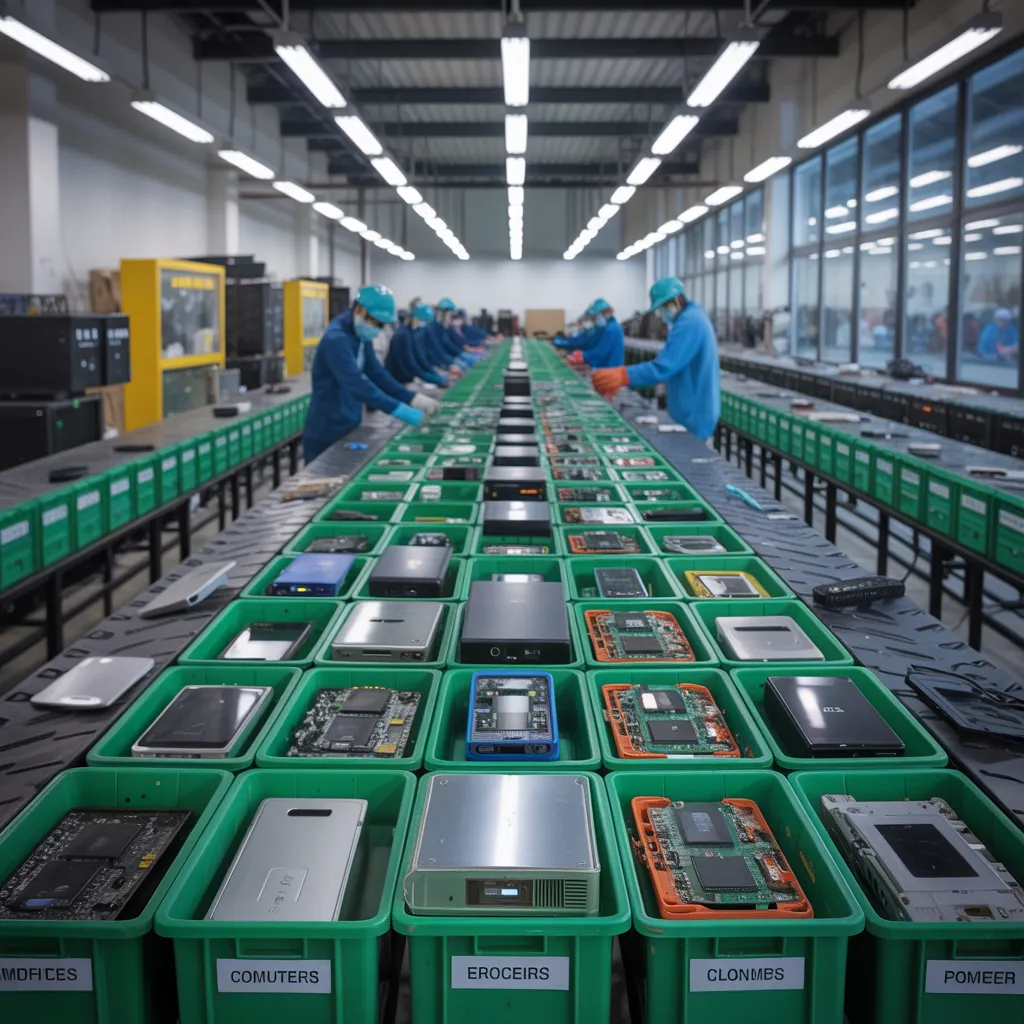
How Neglecting E-Waste Recycling Endangers Your Business
Ignoring e-waste recycling can greatly jeopardize a organization's brand standing and overall performance. Firms that neglect to manage their electronic waste may encounter significant backlash from sustainability-minded stakeholders and consumers. This oversight not only diminishes their brand image but can also bring about regulatory penalties if laws surrounding electronic waste management are breached.
Additionally, inadequate e-waste disposal practices can contribute to considerable financial losses. Precious materials contained within electronic equipment may be lost, diminishing potential revenue streams. Additionally, businesses may incur costs associated with environmental fines and remediation efforts.
Business operational efficiency can also be compromised as outdated and non-functioning equipment clutters workspaces, impeding productivity. In an era where sustainability is paramount, a business's failure to prioritize e-waste recycling can alienate customers and diminish competitive advantage. Therefore, implementing a forward-thinking approach to e-waste management is crucial for upholding a favorable reputation and supporting uninterrupted business operations.
What Certifications Does Your E-Waste Recycler Need?
When choosing an e-waste recycling service, what certifications should one consider to guarantee ethical and efficient operations? It is important to seek certifications that reflect adherence to industry standards and best practices. Among the most well-known is the Certified e-Stewards Recycler, which ensures adherence to environmental and social guidelines. The R2 (Responsible Recycling) certification is another important credential, concentrating on the safe management of electronic waste.
Moreover, the ISO 14001 certification signifies a commitment to environmental oversight systems, while ISO 9001 indicates quality management practices. These certifications provide assurance that the recycling facility complies with strict protocols for processing e-waste, reducing environmental impact and advancing sustainability.
E-Waste Disposal and Data Security: Keeping Your Information Safe
Information security is a fundamental concern when disposing of e-waste, as sensitive information can be vulnerable during the recycling process. Utilizing certified data destruction Check this out methods confirms that individual and organizational information is completely erased, minimizing the risk of identity theft or data breaches. Additionally, compliance with relevant regulations is essential for securing details and upholding credibility with clients and interested parties.
Verified Data Destruction Techniques
In the current digital era, the importance of certified data destruction methods cannot be overstated. Businesses must guarantee that sensitive information is completely obliterated during e-waste disposal to protect against unauthorized data access. Certified methods include physical destruction, such as physically dismantling hard drives, and logical destruction, which involves wiping data using dedicated applications that adheres to established benchmarks.
Certification from reputable organizations, such as NAID (National Association for Information Destruction), ensures that a company complies with rigorous guidelines for secure data destruction. Organizations should confirm that their preferred recycling provider employs these verified procedures to safeguard client and confidential information. Committing to accredited data elimination not only protects against potential breaches but also improves a company's standing in ethical data handling.
Conformity With Regulations
Adhering to regulations plays a critical role in e-waste disposal, particularly when it comes to data security. Companies must ensure that their preferred recycling partner complies with local, federal, and international guidelines governing data protection. Regulations such as the General Data Protection Regulation (GDPR) and the Health Insurance Portability and Accountability Act (HIPAA) require strict protocols for safeguarding sensitive information during the disposal process. Organizations should ensure that the recycling partner implements certified data destruction methods, confirming that all data is completely and irreversibly destroyed. Additionally, a trustworthy provider should provide documentation of compliance and destruction processes, providing clarity and confidence. By placing regulatory compliance at the forefront, businesses can mitigate risks associated with data breaches and copyright their dedication to protecting sensitive information.
Local vs. National E-Waste Companies: Which Offers Superior Environmental Practices?
When it comes to environmental practices, how do local and national e-waste providers measure up? Local providers often emphasize community engagement and may implement tailored solutions that address specific regional needs. Due to their smaller scale of operations, they can maintain more direct control over recycling processes, which may result in increased accountability and stronger environmental integrity.
Conversely, large-scale providers may benefit from economies of scale, facilitating cutting-edge technologies and wider resource networks. That said, their larger scope may contribute to reduced personalized attention and a detachment from regional environmental issues. Companies should examine the certifications and practices of each provider, regardless of size. In the end, the success of environmental initiatives copyrights on the provider's adherence to sustainable approaches rather than merely their geographic designation. As a result, companies should evaluate both local and national providers to identify which best supports their environmental objectives.
Assessing Sustainable Methods in E-Waste Recycling
When examining sustainable practices in e-waste management, several critical considerations become apparent. Compliance with established standards and certifications are key indicators of a provider's commitment to sustainability. In addition, clarity in the recycling procedures and responsible material handling methods have a substantial impact on the broader environmental consequences of the recycling service.
Certifications and Compliance Standards
When selecting an e-waste recycling service, understanding certifications and compliance standards is essential for guaranteeing environmentally responsible practices. Reputable recycling companies often hold certifications such as R2 (Responsible Recycling) or e-Stewards, which reflect compliance with best practices for e-waste management. These certifications guarantee that recyclers responsibly handle materials, prevent environmental contamination, and safeguard data security. Adherence to local and international regulations further strengthens a company's commitment to sustainable practices. Businesses should also inquire about the recycler's approach to hazardous materials and their systems for tracking and documenting e-waste. By prioritizing certified services, companies can contribute to a circular economy while reducing their environmental footprint and ensuring compliance with industry standards.
Transparency in the Recycling Process
What measures can be taken to guarantee transparency throughout the e-waste recycling process? Companies should seek comprehensive documentation describing the recycling techniques used by the service provider. This involves detailed accounts of the collection, dismantling, and processing steps. Businesses can additionally inquire about the final destinations of recycled materials, confirming they are not directed to landfills or unlawful facilities. Third-party audits and certifications can further validate a recycling service's commitment to eco-friendly practices. Furthermore, maintaining open channels of communication with the service provider is vital; they should be prepared to disclose their procedures and address any inquiries. At its core, transparency cultivates trust and provides organizations with the assurance that their e-waste is being processed responsibly and with environmental consideration.
Sustainable Material Handling Practices
Evaluating environmentally responsible operational methods in e-waste recycling reveals the fundamental values of conscientious ecological management. Effective e-waste recycling services focus on reduced ecological disruption through strategies like waste reduction, resource recovery, and safe disposal methods. They employ efficient sorting techniques that separate toxic elements from reusable parts, guaranteeing that dangerous compounds are kept away from natural habitats. Utilizing eco-friendly transportation methods further enhances sustainability by minimizing overall carbon output. Furthermore, these services often engage in community education, encouraging informed decisions around e-waste recycling. By partnering with a recycling organization that follows these environmentally responsible guidelines, businesses advance a resource-efficient economic model, guaranteeing that valuable resources are recovered instead of discarded in waste sites, thus cultivating a more sustainable world.
How to Plan a Budget for E-Waste Recycling Services
When considering e-waste disposal solutions, planning your budget carefully is essential for ensuring compliant disposal without unforeseen charges. Organizations should commence by examining the quantity and category of electronic waste produced, since these elements significantly impact costs. It is advisable to obtain multiple quotes from multiple vendors to compare costs and services offered.
Beyond the base fees, organizations should factor in potential hidden costs such as documentation, transportation, and any required collection fees. Familiarizing yourself with the regulatory framework is equally essential, as non-compliance may result in financial penalties, contributing to total expenditure.
In addition, companies may explore bulk purchasing plans or subscription arrangements that can minimize overall expenses. By designating a dedicated financial plan for electronic waste recycling, businesses can advance sustainable practices while limiting unforeseen expenses, thereby supporting both sustainable operations and financial well-being.
Common Questions and Answers
How Regularly Should We Be Recycling Our E-Waste?
E-waste ought to be recycled on a consistent basis, ideally every six months to a year, depending on the volume generated. This schedule ensures adherence to regulatory requirements while reducing the impact on the environment while promoting responsible disposal practices within the organization.
What Occurs with E-Waste Following Collection?
Once collected, e-waste goes through dismantling, sorting, and processing. Valuable materials are extracted for reuse, while dangerous materials are responsibly managed and discarded. This approach reduces environmental harm and encourages resource reclamation, supporting sustainable practices in technology management.
Are There Any Costs Involved With E-Waste Recycling?
That's correct, e-waste recycling frequently includes costs, which can fluctuate based on factors like the volume and type of materials. Organizations should inquire about these fees beforehand to understand possible expenses before selecting a recycling solution.
Are Non-Electronic Items Accepted for Recycling With E-Waste?
Non-electronic items are usually unable to be recycled with e-waste recycling programs. Most facilities concentrate specifically on electronic devices. Organizations should look for dedicated recycling solutions for non-electronic materials to secure appropriate disposal and adherence to environmental regulations.
How Do We Get E-Waste Ready for Recycling?
To prepare e-waste for recycling, one should remove batteries and accessories, carefully delete personal data, and separate items according to type. Adequate packaging in durable boxes provides protected transportation to the recycling center.